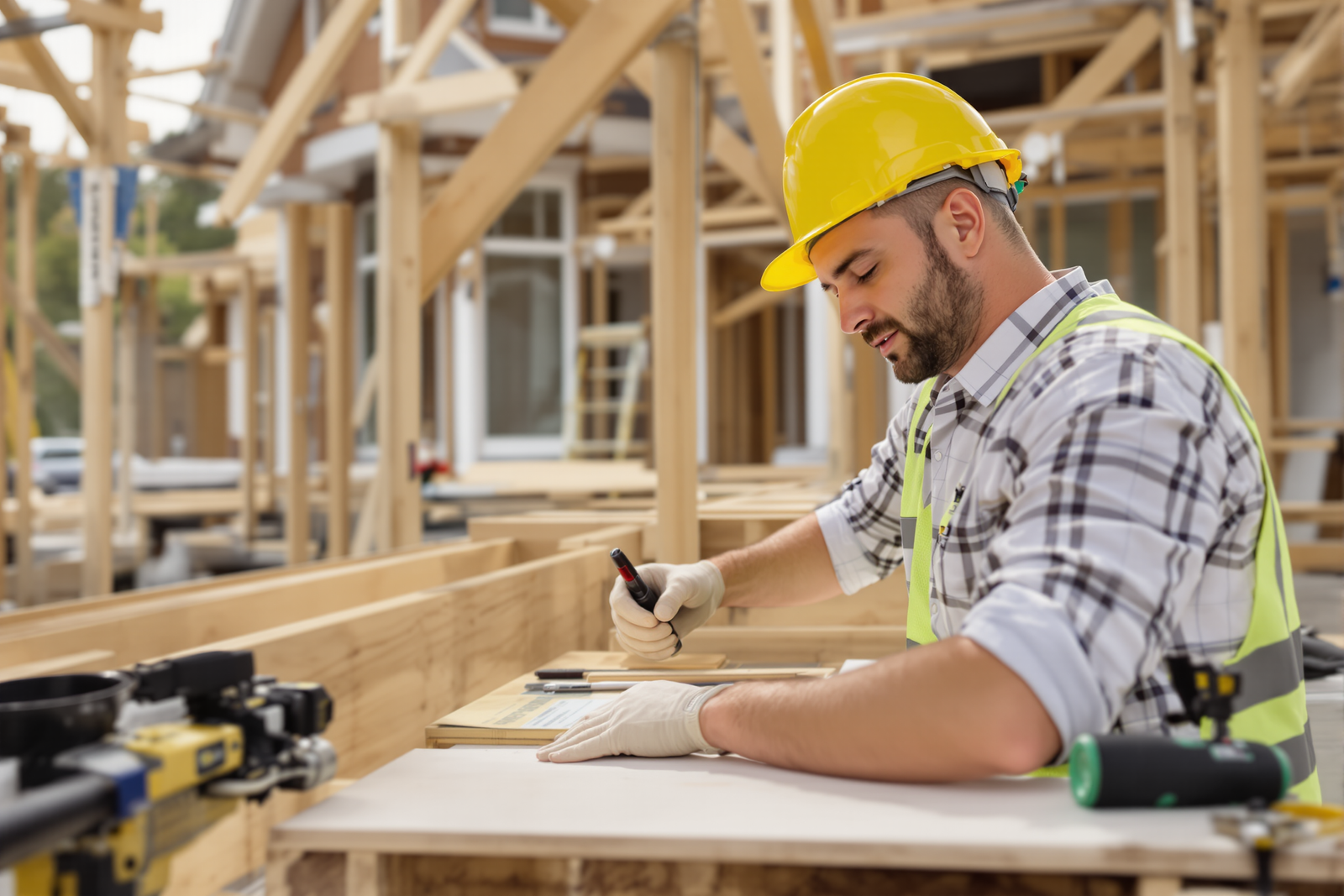
Understanding the True Cost of Building New
When you decide to build a new home, the sticker price you see is just the beginning. First-time builders often discover that the actual cost of construction extends far beyond the base contract price. Between permit fees, site preparation, utility connections, and a dozen other line items, your final bill can be significantly higher than your initial estimate.
The key to successful budget planning is anticipating these hidden costs before you break ground. By understanding where money actually goes in new construction, you can make informed decisions, avoid financial surprises, and build a home that stays within your budget.
Construction projects rarely unfold exactly as planned. Building in financial flexibility from the start protects your investment and your peace of mind.
Site Preparation and Land Development Costs
Before a single nail is driven, your land must be prepared for construction. This phase often catches first-time builders off guard because site conditions vary dramatically from one property to another.
Common Site Preparation Expenses
- Excavation and grading — clearing, leveling, and establishing proper drainage
- Soil testing and analysis — determining soil bearing capacity and stability
- Tree removal — clearing trees and managing stumps and roots
- Road or driveway construction — creating access to your building site
- Erosion control measures — protecting the site during construction
- Utility line clearing — marking and protecting existing underground utilities
A flat, easily accessible lot with stable soil might require minimal site prep. A sloped, wooded property with poor drainage could require thousands of dollars in additional work. Having a professional site assessment completed early prevents sticker shock later and helps you budget accurately.
Permits, Inspections, and Regulatory Fees
Government agencies at the local, county, and sometimes state level require permits and inspections before, during, and after construction. These aren’t optional costs—they’re mandatory investments in ensuring your home meets all safety and building codes.
Typical Regulatory Expenses
- Building permit fees (based on project value)
- Electrical inspection and permits
- Plumbing inspection and permits
- HVAC system permits
- Septic system permits (if applicable)
- Well drilling permits (if applicable)
- Road or driveway permits
- Zoning variance fees (if needed)
In West Michigan, these costs typically range from 1-3% of your total construction budget. While that might seem modest, it’s real money that must be accounted for. Request a complete list of required permits from your builder early so nothing surprises you.
Permit costs vary by municipality. What you pay in Grand Rapids may differ from Caledonia or Green Lake. Always verify local requirements with your city or township office.
Utility Connection and Infrastructure Costs
Connecting your new home to water, sewer, electric, gas, and internet requires infrastructure work that often costs more than homeowners expect. The distance from your lot to existing utility lines directly affects these expenses.
Infrastructure Connection Expenses
- Water line extension — running water service from municipal lines to your home
- Sewer or septic installation — connecting to public sewer or installing a private system
- Electrical service upgrade — ensuring sufficient power capacity for new construction
- Gas line installation — bringing natural gas to your property
- Driveway and utility trench work — coordinating all underground installations
- Temporary utilities during construction — power, water, and facilities for construction crews
- Internet and phone service — fiber, cable, or satellite installation
If your property is far from existing utility lines, costs can escalate quickly. A septic system installation, for example, might range from $3,000 to $10,000 depending on soil conditions and system complexity. Request utility quotes early in the planning process to avoid budget overruns.
Design, Engineering, and Professional Services
Quality new home construction relies on professional expertise before and during building. These services come with real costs that are essential investments in your project’s success.
Professional Services to Budget For
- Architectural design and home plans
- Structural engineering and calculations
- Geotechnical engineering for site analysis
- Energy efficiency consulting and modeling
- Land surveying and property line establishment
- Third-party inspections and quality assurance
A custom home design might cost $2,000 to $5,000 or more, while a modest set of builder plans could run $500 to $1,500. Don’t skip professional design and engineering to save money—these services prevent costly mistakes during construction.
A detailed survey and engineering assessment completed before construction begins saves far more money than it costs by preventing foundation problems, drainage issues, and structural complications.
Material Price Fluctuations and Supply Chain Variables
Construction material costs don’t remain stable throughout a project. Market conditions, supply chain disruptions, and material availability can affect pricing, especially for lumber, metals, and specialized components.
Building in Budget Flexibility
- Set aside a contingency fund (typically 10-15% of your total budget)
- Lock in pricing for major materials early when possible
- Understand which materials are subject to market fluctuations
- Communicate with your builder about material sourcing strategies
- Consider timing—seasonal pricing may affect labor availability and material costs
Material costs can swing 5-10% month to month, depending on market conditions. A realistic contingency fund protects you from unexpected cost increases while acknowledging that construction involves variables beyond anyone’s control.
Labor, Timeline, and Weather Delays
Construction timelines rarely match initial projections perfectly. Weather delays, supply issues, and the realities of coordinating multiple trades can extend your project schedule, which increases labor costs and may delay your move-in date.
Factors Affecting Construction Timeline
- Seasonal weather patterns and winter conditions in West Michigan
- Material delivery delays from suppliers
- Trade contractor availability and scheduling
- Inspections and permit processing times
- Design changes or decisions made during construction
- Unforeseen site conditions discovered during work
A project that runs two weeks longer means additional labor costs, extended equipment rental, and delayed occupancy. Budget for a realistic timeline with built-in buffer weeks, particularly if you’re building during Michigan’s winter season.
Closing Costs and Final Expenses
Even as your home nears completion, additional costs emerge. These final expenses are easy to overlook but should be anticipated during budget planning.
Pre-Closing and Move-In Costs
- Final inspections and certification fees
- Utility deposits and connection fees
- Homeowner’s insurance (required before closing)
- Title insurance and closing costs
- Property taxes (prorated for the remainder of the year)
- Landscaping and site restoration
- Appliance delivery and installation
- Exterior lighting, mailbox, and finishing touches
These items might add another 2-5% to your total project cost. While individually small, they accumulate quickly. Request an itemized list of all final costs from your builder before closing so you’re fully prepared financially.
Plan to have cash available for unexpected final expenses—from last-minute appliance purchases to final landscape work. These costs often materialize after your main budget is committed.
Smart Budget Planning Strategies for New Home Construction
Successful first-time builders approach budgeting systematically, accounting for every category of expense and building in realistic contingency funds.
Recommended Planning Steps
- Get multiple quotes for site preparation, utility connections, and professional services
- Request detailed breakdowns from your builder showing every cost category
- Understand what’s included and excluded in your base contract price
- Build a contingency reserve of 10-15% for unexpected costs
- Plan for timing costs—interest on construction loans, extended carrying costs, utility deposits
- Communicate regularly with your builder about budget concerns and priorities
Partnering with an experienced builder who understands West Michigan’s unique construction environment makes budget planning easier and more accurate. A builder familiar with local soil conditions, weather patterns, permit processes, and utility infrastructure can provide realistic estimates and help you avoid costly surprises.
Building a new home is a significant investment. By understanding and planning for hidden costs, you protect your financial interests while creating the home of your dreams.